whichvitamin.ai
Supplements That Help Lower Cortisol: Natural Stress Relief
In today's fast-paced world, stress has become an unwelcome companion for many of us. When stress becomes chronic, our bodies produce excessive amounts of cortisol, often called the "stress hormone." Elevated cortisol levels can lead to a cascade of health issues, including weight gain, sleep disturbances, compromised immunity, and even cognitive decline.
While lifestyle modifications like regular exercise, adequate sleep, and mindfulness practices form the foundation of stress management, certain supplements can provide additional support in regulating cortisol levels. Let's explore some evidence-backed supplements that may help lower cortisol and promote natural stress relief.
Understanding Cortisol: The Body's Stress Response
Cortisol plays a vital role in our body's stress response system. Produced by the adrenal glands, this hormone helps regulate metabolism, reduce inflammation, and assist with memory formation. However, when stress becomes chronic, persistently elevated cortisol can wreak havoc on our physical and mental wellbeing.
Effective Supplements for Cortisol Management
1. Ashwagandha (Withania somnifera)
Ashwagandha stands out as one of the most researched adaptogenic herbs for stress reduction. Multiple clinical studies have demonstrated its ability to significantly reduce cortisol levels.
How it works: Ashwagandha appears to modulate the hypothalamic-pituitary-adrenal (HPA) axis, which regulates cortisol production. A landmark study published in the Journal of the International Society of Sports Nutrition found that participants taking ashwagandha experienced a 30% reduction in cortisol levels compared to the placebo group.
Recommended dosage: 300-600mg of standardized extract daily.
2. Phosphatidylserine
This phospholipid component of cell membranes has shown promising results in blunting cortisol response, particularly during stressful situations.
How it works: Phosphatidylserine appears to dampen the activation of the HPA axis during stress, resulting in lower cortisol secretion. It's particularly effective for stress-induced cortisol elevation, such as during intense exercise or mental challenges.
Recommended dosage: 200-400mg daily.
3. Magnesium
Often called "nature's relaxant," magnesium deficiency is common and can exacerbate stress responses and cortisol production.
How it works: Magnesium regulates the HPA axis and helps calm the nervous system. It also supports the production of GABA, an inhibitory neurotransmitter that promotes relaxation.
Recommended dosage: 200-400mg of magnesium glycinate or magnesium threonate daily.
4. Vitamin C
Beyond its immune-supporting properties, vitamin C plays a crucial role in adrenal function and cortisol regulation.
How it works: The adrenal glands contain one of the highest concentrations of vitamin C in the body. During stress, vitamin C is rapidly depleted. Supplementation can help maintain optimal adrenal function and moderate cortisol output.
Recommended dosage: 500-1000mg daily.
5. L-Theanine
Found primarily in green tea, L-theanine promotes a state of calm alertness without sedation.
How it works: L-theanine increases alpha brain waves, which are associated with relaxation. It also boosts GABA, serotonin, and dopamine levels, neurotransmitters that regulate mood, sleep, and stress.
Recommended dosage: 200-400mg daily.
6. Rhodiola Rosea
Another powerful adaptogen, Rhodiola has been used for centuries to combat fatigue and enhance stress resilience.
How it works: Rhodiola helps normalize cortisol levels while boosting energy and mental performance. Unlike some sedative herbs, it doesn't cause drowsiness, making it ideal for daytime stress management.
Recommended dosage: 200-600mg of standardized extract (containing 3% rosavins and 1% salidroside) daily.
7. Holy Basil (Tulsi)
Revered in Ayurvedic medicine, holy basil offers comprehensive stress protection.
How it works: Holy basil contains eugenol, a compound with anti-stress properties. It helps normalize cortisol levels while supporting immune function and cognitive performance during stress.
Recommended dosage: 300-600mg of extract daily.
Important Considerations Before Supplementing
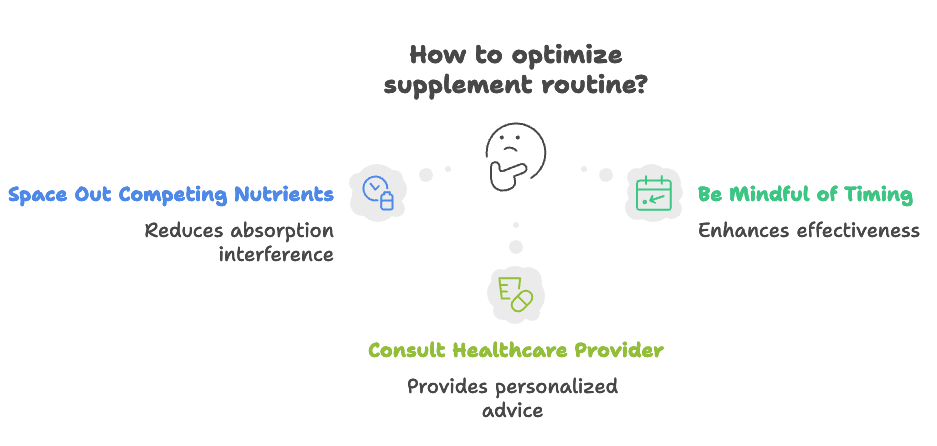
Before incorporating any supplements into your routine:
- 1.Consult with a healthcare provider, especially if you have existing health conditions or take medications
- 2.Start with one supplement at a time to monitor individual effects
- 3.Choose quality products from reputable manufacturers
- 4.Remember that supplements are complementary, not replacements for healthy lifestyle practices
- 5.Be patient – natural supplements typically require consistent use over weeks to show optimal benefits
The Holistic Approach to Cortisol Management
While supplements can be valuable tools for managing cortisol levels, they work best as part of a comprehensive stress management strategy that includes:
- •Regular physical activity
- •Adequate sleep (7-9 hours nightly)
- •Mindfulness practices like meditation or deep breathing
- •Balanced nutrition
- •Social connection
- •Time in nature
- •Setting healthy boundaries
By combining targeted supplementation with these lifestyle practices, you can create a powerful defense against the detrimental effects of chronic stress and elevated cortisol.
Remember that individual responses to supplements vary, and what works best for one person may differ for another. Listen to your body and work with healthcare professionals to develop the most effective approach for your unique needs.

Dr. Emily Chen
Nutritional Biochemist & Health Writer
Dr. Emily Chen holds a Ph.D. in Nutritional Biochemistry and specializes in the relationship between supplements, stress, and hormonal health. With over 10 years of clinical experience, she combines evidence-based research with practical wellness strategies.